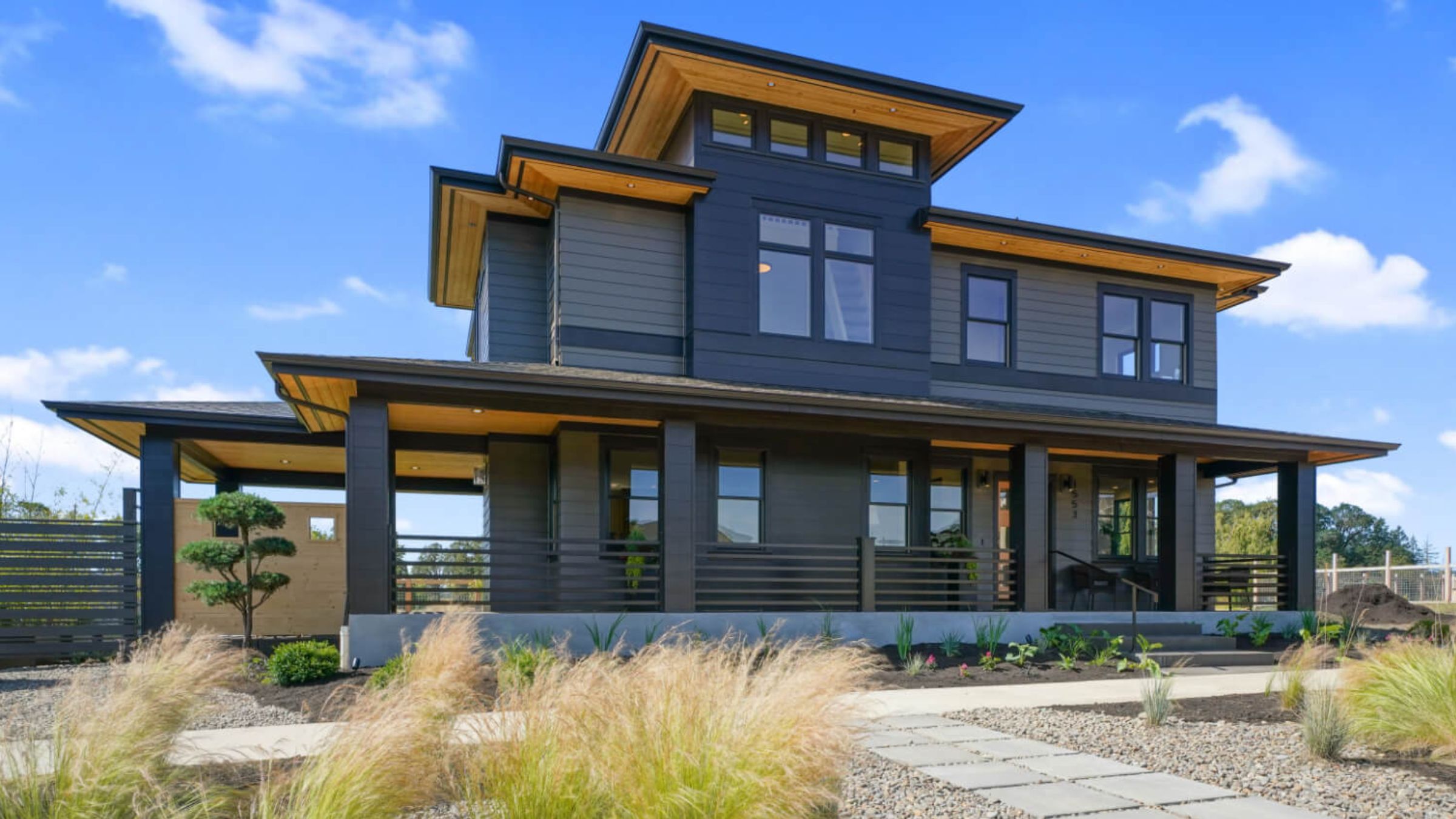
In the Willamette Valley, our moderate weather makes building homes year-round entirely practical. Certainly, framing during the winter requires exceptional care to ensure that a home is properly dried before it is enclosed. Because we use kiln-dried lumber and carefully monitor moisture levels, this is a very manageable part of the process. Cleaning the streets after muddy tires leave a jobsite is another familiar winter challenge.
But as we enter fall and prepare for shorter days and drizzly nights, there is also an opportunity that is often overlooked.
It is remarkable how much creative work gets done before the sun rises—or after it sets. Once the days grow shorter and walking the dog requires a sweater and scarf, the indoors once again becomes a place of imagination, reflection and abstract problem-solving. For that reason, we find that fall and winter are often ideal times to design a home for construction in the coming year.
In our preliminary custom-home meetings, we explore what is essential in a home that does not yet exist—one that, for the moment, is still only an idea. A possibility.
Instagram and Pinterest can certainly help establish the finishes and flavor of a home. But before choosing cabinet colors or collecting photographs of beautiful kitchens, we begin with more fundamental questions. This requires a deeper exploration of wants and needs—and the truth is, we often do not know all the answers until someone asks the right questions.
Great design follows function. Said differently, a great home should express both who we are today and who we hope to become.
Our clients often respond to our questions by saying, “I’ve never really thought about that.” Here are some of the things we might ask:
- • Should the staircase be a prominent architectural feature that guests see when they enter, or should it be located within the home’s quieter, more utilitarian spaces?
- • When children and grandchildren come to stay, should they have privacy and separation, or should their rooms be closely connected to the main living areas?
- • Which pieces of furniture carry enough history or meaning that the new home should be designed around them? Where will they go?
- • Will you have people visiting that can’t climb stairs?
- • Can rooms double up? For instance, can the office be guest bedroom?
- • How might your living situation change during the next five or ten years? Could a child leave home, an aging parent move in or a room need to serve an entirely different purpose?
- • What is the best thing about the home you live in now? What is the worst?
- • When you arrive home carrying groceries, soccer gear or muddy shoes, what is the path you naturally want to take—and where does everything land?
- • Where do you want to experience the morning sun? Where would you prefer softer evening light?
- • When the house is full of guests, do you want everyone gathered in one large space, or do you prefer smaller places where separate conversations can unfold?
There are also questions we deliberately do not begin with, much to the surprise of some clients.
We do not ask how many square feet they want. Why? Because the size of a home is not what makes it livable; thoughtful planning does. We have all walked through a 3,200-square-foot home that somehow feels like 2,500 square feet. Conversely, a well-designed smaller home can feel generous, comfortable and effortless. (We can’t tell you how many comments we had this year about our Bard Cottage in the Tour of Homes. “It feels so much bigger than 1250 SF.”)
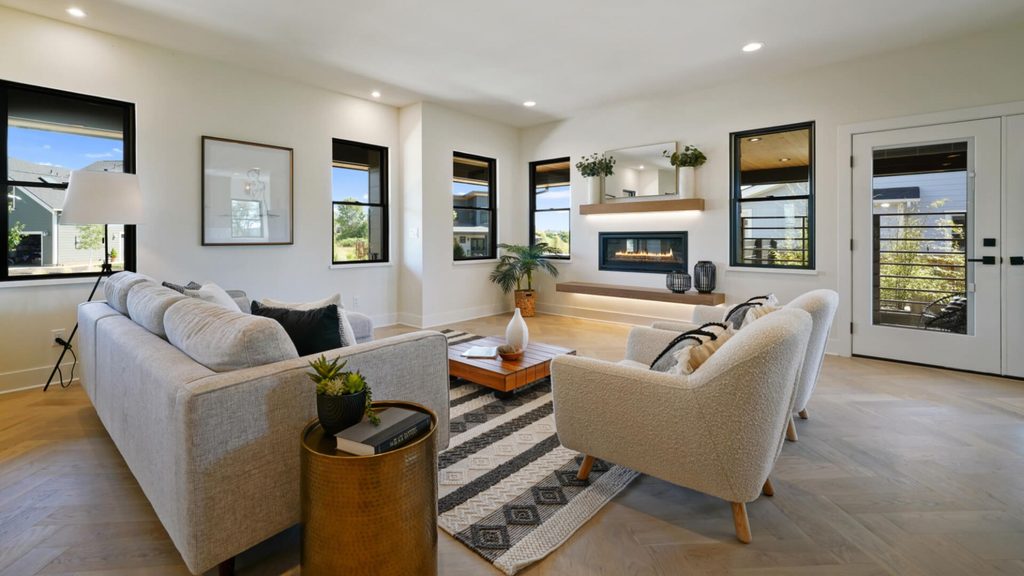
Our goal is to maximize livability while minimizing unnecessary cost.
We often say that knowing the dimensions of Grandmother’s buffet may allow us to move a wall four inches. It is a small adjustment, but it can be the difference between fitting life into a generic floor plan and creating a home designed around the people who will live there.
Great design stands the test of time. Grandmother’s buffet is part of that test.
Anecdotally, we are inclined to believe that the quieter months invite creativity—not because the mind necessarily becomes sharper as winter approaches, but because the season gives it room to go deeper.
There are, of course, practical market reasons to begin designing in the fall. It creates an excellent timeline for construction and a spring or summer move. That often works well with the school calendar and, when there is an existing home to sell, coincides with a traditionally favorable time to list it.
But what most appeals to us about beginning a home design during fall and winter is something less practical. At a time when the days are growing darker and the weather is drawing us inward, designing a home is an act packed with hope and joy.
Outside, the season may be tugging us elsewhere. Inside, something new and very exciting is just beginning.