Over the last year, we’ve fielded a surprising number of calls from people trying to find the right lot to build a home on.
And recently, I’ve found myself thinking about what that really means. Not just the mechanics of finding land, but the deeper question behind it. The quiet work of choosing where, exactly, to put a roof over your head.
Because that’s really what a lot is. Not dirt. Not even location. It’s a decision about how your days will unfold.
After 30 years of building, I don’t remember a time when that decision has felt harder, or more elusive. From where I sit, it comes down to a few recurring themes.
Spreading Your Wings
Some people are reaching outward. They’ve lived within the tidy geometry of subdivisions and are ready for something looser. A little more sky. A place where a garden can stretch, a shop can take shape, maybe even a few chickens wandering the edges.
But acreage has a way of humbling romantic notions. What looks like freedom on paper often arrives with wells, septic systems, long drives, and the quiet, daily gravity of maintenance. It asks more of you. Not just as a homeowner, but as a steward of land.
I’ve lived that shift myself. And while I have lived that dream most happily for many years, I do enjoy not spending Saturday and Sunday sparring with the blackberries. Freedom, it turns out, has chores.
Clipping Your Wings
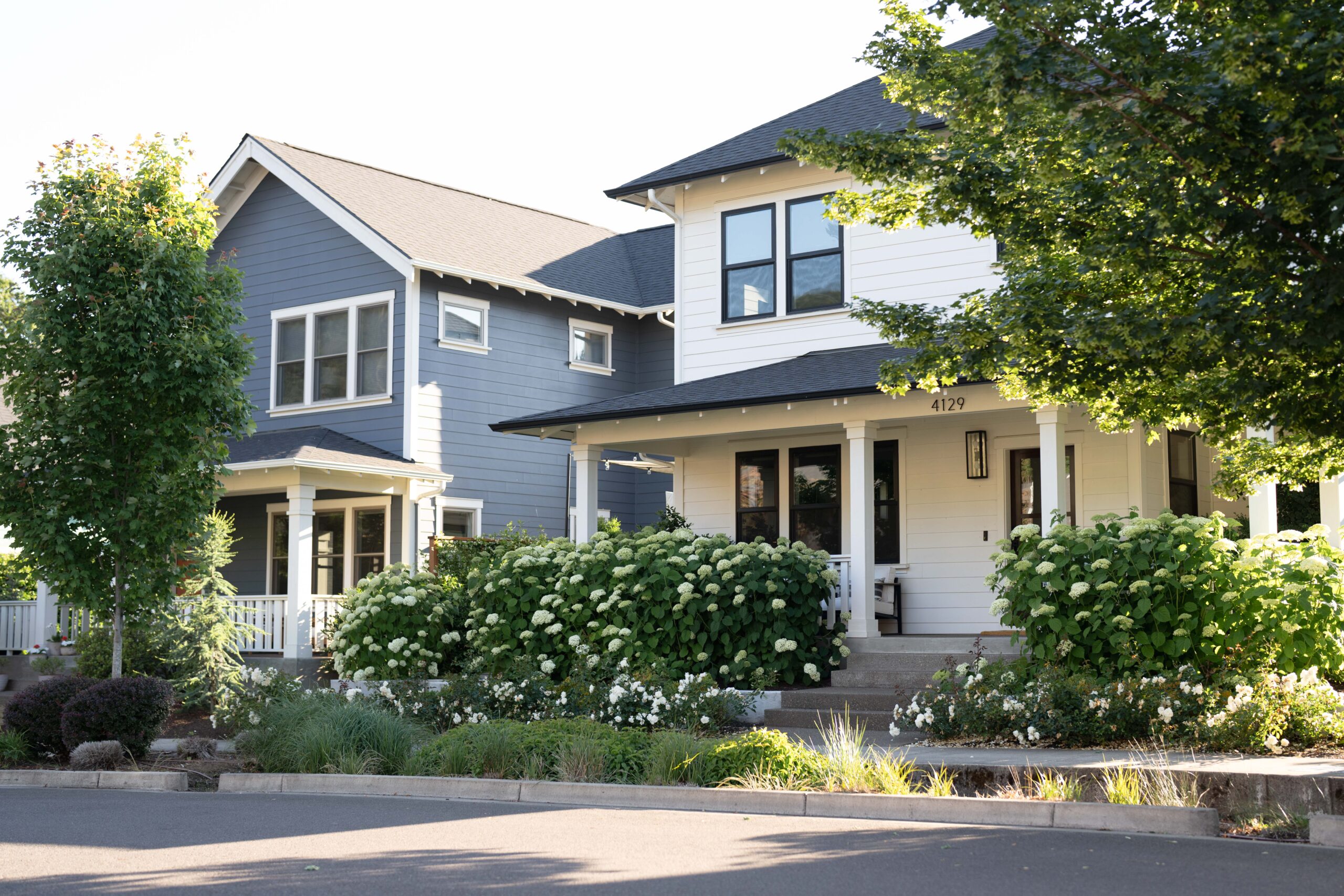
At the same time, others are moving inward. After years of tending land, they’re ready to trade space for simplicity. A riding mower for a front porch. A gravel lane for a walkable street. A well that sometimes works, for water that always does.
Yes, proximity comes with compromise. But there’s something quietly powerful about knowing your neighbors, about the rhythm of a street, about life becoming a little less about upkeep and a little more about living.
It’s not less. It’s different.
Light, Views, and Orientation
Then there are the things that don’t show up on a builder’s spreadsheet. Light. View. Orientation.
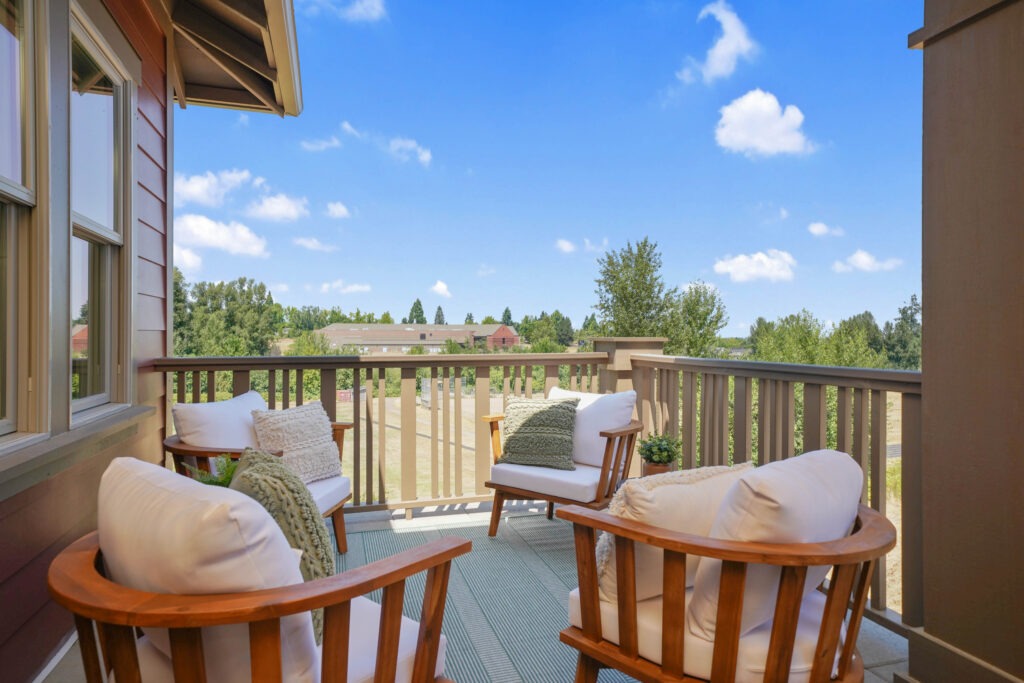
We’ve had more than one client recently say, “I want to watch the sunset from my back patio.” It sounds like a small request. But it isn’t. I was rather annoyed that I couldn’t deliver on that one.
These dictate where the house lands, how the rooms breathe, where the morning begins and the evening settles. It shapes not just the structure, but the experience of being inside it.
A home isn’t just built on land. It’s built in relationship to the sun.
New Ground vs. Old Stories
Sometimes the best lot isn’t empty. In our area, tear-downs are rare. But when they happen, they carry a certain logic: established neighborhoods, mature trees, infrastructure already paid for. Sometimes even tens of thousands saved in development charges.
There’s something compelling about building something new in a place that already knows how to be a neighborhood. Remodels live in this space too. The idea that a great lot can carry a house that just hasn’t caught up yet.
The Gravity of Price
Of course, there’s the reality that underpins all of this. Price.
In the last decade, lot values have doubled. Flat land, especially here, is prized. And if the land isn’t expensive, building on it often is. At the same time, the industry has consolidated. Many of the lots that do exist are controlled by large regional and national builders.
So the choice of land increasingly becomes a choice of partner.
Boundaries, Seen and Unseen
And then there are the invisible lines. Zoning. Setbacks. HOA rules.
We’ve all heard it: “I can’t believe I can’t have chickens.” “I didn’t realize my stucco chalet is a no-go.”
Restrictions can feel like constraints, but they also shape the environment around you. They prevent the blue tarp over the RV. The yard that slowly disappears. Even Mrs. Owens and her well-fed possums.
Every lot exists inside a framework, whether you see it or not. And like most things, it’s a balance between freedom and order.
A Checklist for finding the right lot
When you’re evaluating a lot, you’re not just buying land. You’re choosing a way of living. Here are a few questions worth sitting with:
Lifestyle Fit
- • Am I seeking freedom, or simplicity?
- • How much of my time do I want to give to maintaining this place?
Orientation and Light
- • Where does the day begin and end on this lot?
- • Does it support how I want to experience mornings, evenings, seasons?
Topography
- • What does the land ask of the build?
- • Will it quietly add cost, or complexity?
Utilities and Infrastructure
- • What’s already here, and what isn’t?
- • What will it take to make this land livable?
Builder Relationship
- • Am I choosing a lot, or a builder as well?
- • How much control do I want over that decision?
Rules and Restrictions
- • What are the visible boundaries?
- • What are the ones I haven’t thought to ask about yet?
Context
- • What surrounds this lot today?
- • What will surround it in five or ten years?
True Cost
- • Not just purchase price, but the cost to bring it to life.
In the end, finding the right lot isn’t only about availability. It’s about alignment, and living a good life.
BOOK A CHAT